
When I first came across UFC, I didn’t know what to feel. It looked intense. Loud. Aggressive. Two people locked inside a cage, hitting, grappling, pushing their bodies to the limit. My first thought was probably the same as many others — this looks dangerous. And honestly, that thought wasn’t wrong.
UFC is dangerous.
That difference matters a lot.
I’m not writing this like a fan trying to hype fights. I’m writing this like an elder brother who wants to be clear and honest. Fighting is serious. Bodies are fragile. And without safety, UFC would never survive as a sport.
Fighting Is Not Just Physical, It’s Mental First

People focus a lot on punches and kicks. That’s what catches the eye. But the real fight starts in the head.
A fighter steps into the cage knowing things can go wrong. Fear is there. Pain is there. Pressure is there. What keeps things from turning ugly is mental control.
Fighters are trained to think even when tired, even when hurt. Losing control emotionally is one of the fastest ways to get injured. That’s why discipline is drilled into them from day one.
Safety starts in the mind, not in the rules.
UFC Is Not a Street Fight, Even If It Looks Like One
This is something many people misunderstand.
A street fight has no rules. No referees. No doctors. No one to stop things when they go too far.
UFC is the complete opposite.
There are rules for what you can hit and how you can hit. There are people watching closely, every second. There is a referee inside the cage whose only job is to protect fighters when they can’t protect themselves.
That referee is not there to ruin the fight. They are there to save careers and lives.
Stopping a Fight Is Not Weakness
Some fans complain when a fight is stopped early. They want to see more action. More damage.
But fighters often see it differently.
In the heat of a fight, adrenaline can lie to you. A fighter might feel fine while their body is clearly not responding properly. That’s when the referee steps in.
Stopping a fight at the right time can mean:
- no serious brain damage
- no long recovery
- no permanent injury
Many fighters later admit that a referee saved them from themselves. That says a lot.
Training Is Where Safety Is Tested Every Day
Here’s something most people don’t realise: fighters spend far more time in training than they do in the cage. And training is where safety truly matters.
Good gyms don’t treat training like war. They focus on:
- controlled sparring
- learning technique, not hurting
- respecting training partners
A fighter who tries to “win” every training session won’t last long. They’ll either get injured or lose people willing to train with them.
Real fighters know this. They protect each other so everyone can improve.
Knowing When to Tap Is Intelligence
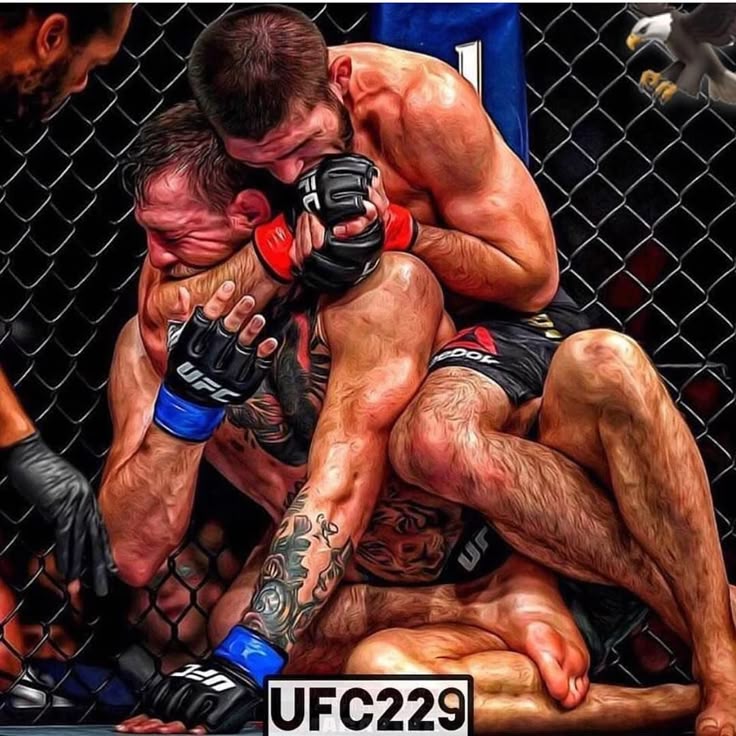
Tapping out is one of the most misunderstood things in UFC.
Some people think tapping means giving up. But fighters know better. Tapping means you understand your body’s limits.
A choke held for too long can cause serious damage. A joint lock ignored can end a career. Tapping is a way of saying, I live to fight another day.
That awareness is safety in its purest form.
Weight Cutting and Listening to the Body
Weight classes exist to keep fights fair and safer. But weight cutting can be dangerous if done recklessly.
More fighters today are openly talking about:
- cutting weight slowly
- staying hydrated
- refusing extreme methods
This shift shows maturity in the sport. Fighters are starting to think beyond one fight and look at long-term health.
That mindset didn’t exist as much years ago. It’s a good change.
Respect Between Fighters Is Real, Not Fake
Trash talk gets attention, but respect keeps the sport alive.
After fights, you often see something different. A handshake. A hug. Quiet words exchanged. That moment matters more than people think.
Both fighters know what the other risked. They know the pain, the fear, the preparation. That mutual respect helps keep things human.
When fighters respect each other, safety naturally improves. You don’t want to permanently damage someone who understands you better than most people ever will.
UFC Is Not Something to Copy Without Training
This needs to be said clearly.
Watching UFC does not mean you should try fighting on your own. What professionals do is built on years of coaching, safety systems, and discipline.
Trying to imitate moves without training is dangerous. Fighting outside controlled environments is dangerous.
If someone is interested in MMA, the right path is slow:
- proper gym
- qualified coach
- learning fundamentals
- respecting safety
There are no shortcuts here.
Fighting Does Not Mean Being Violent in Life
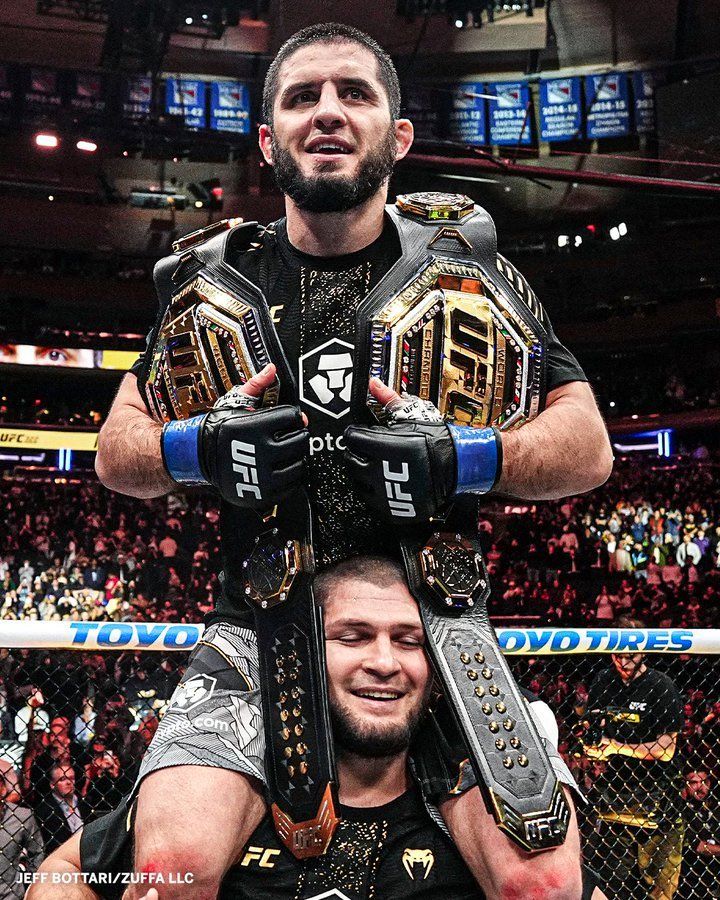
This might surprise people, but many fighters are calm, respectful, and disciplined outside the cage. Fighting teaches them control, not chaos.
Knowing how to fight often makes people less likely to fight unnecessarily. They understand consequences. They respect limits.
That’s a side of UFC people rarely talk about.
Life After Fighting Still Matters
Fighting careers don’t last forever. Bodies age. Damage adds up.
Smart fighters think about:
- rest
- recovery
- when to stop
They understand that fighting is one chapter, not the whole story. Safety is not just about surviving the fight — it’s about being able to live well afterward.
Final Thoughts
UFC is intense. It’s risky. And it’s not for everyone. But it is not mindless violence.
It’s a sport built on discipline, rules, and deep respect for the human body. Safety is not an extra layer added on top — it is the foundation.
If you watch UFC, watch it with understanding. Admire the skill and courage, but also respect the systems that keep fighters alive and healthy.
Real strength is not about how much damage you can take.
It’s about knowing when to protect yourself.
That lesson matters far beyond the cage.
