
I used to think rugby was just chaos.
The first few times I saw it, I didn’t understand why players kept running into each other, why the ball went backward instead of forward, or why nobody seemed to complain when they got tackled hard. It looked exhausting. A bit scary. Almost unnecessary.
But rugby is one of those things that doesn’t explain itself immediately. You have to stay with it. And once you do, you start seeing something very different.
Rugby isn’t careless.
It isn’t wild.
And it definitely isn’t stupid.
It’s strict. And once you understand the rules, you realise those rules are the only reason the game works at all.
Rugby Is Physical, but It Is Not Out of Control
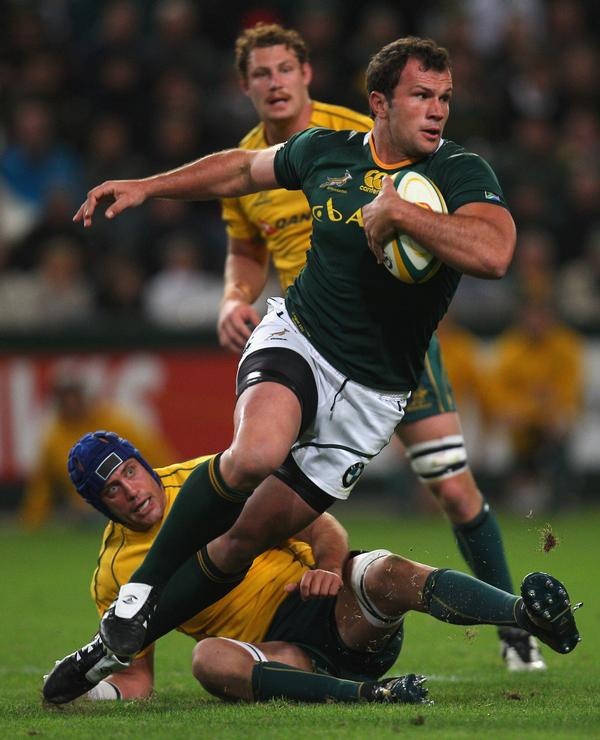
Yes, rugby is physical. There’s no way around that. Players collide. They fall. They get back up. Over and over again.
But what surprised me most was how controlled it all is.
You can’t just tackle someone any way you want. You can’t aim high. You can’t grab the neck. You can’t come flying in without control. Do that, and you’re punished immediately.
The game allows strength, but it does not allow recklessness.
That’s an important difference.
What the Game Is Really Asking From Players
At its core, rugby is asking one simple thing from players:
don’t be alone.
You can’t pass the ball forward. That one rule changes everything. You move forward by running, not by throwing. Which means teammates must stay close. Support must always be there.
If you run alone, you get tackled. Quickly.
Rugby quietly teaches you that progress only happens when people move together.
Scoring Looks Confusing Until You Stop Overthinking
People hear words like try, conversion, penalty kick, drop goal, and they immediately think rugby is complicated.
It’s not.
The most important score is a try. You carry the ball into the opponent’s area and place it on the ground. That’s it. Five points.
After that, you get a kick for extra points. Sometimes teams kick penalties instead of pushing forward. Sometimes a player drops the ball and kicks during play.
These options exist because rugby isn’t about brute force only. It’s about decisions.
Sometimes pushing is smart. Sometimes taking the points is smarter.
Tackling Is Not About Hurting Someone
This is something people get wrong.
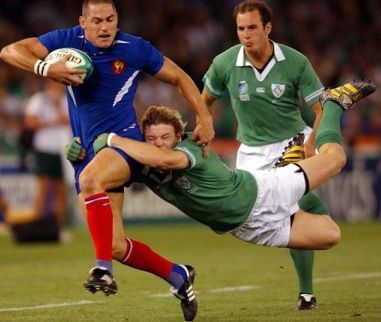
Tackling in rugby is not about smashing someone. It’s about stopping movement safely.
Players are trained to tackle below the shoulders. Head contact is not tolerated. Dangerous tackles are punished heavily.
And once someone is tackled, they must release the ball. No holding on forever. No wrestling endlessly.
The game keeps moving because the rules force fairness.
The Mess After a Tackle Isn’t Actually Messy
After a tackle, players come together over the ball. It looks like a pile of bodies. It looks chaotic.
But there are rules here too.
You must stay on your feet.
You can’t dive in.
You can’t use your hands illegally.
This moment, called a ruck, is less about strength and more about balance and positioning. People who don’t understand rugby think it’s madness. People who do know it’s one of the most disciplined parts of the game.
Scrums Look Dangerous but Are Built on Trust
Scrums are intimidating to watch. Eight players bind together, pushing against eight others. It looks like something could go wrong at any second.
But scrums are one of the most controlled situations in rugby. Referees are strict. Players are trained for years. Technique matters more than power.
A bad scrum is stopped immediately. Safety comes first.
Scrums exist not to show strength, but to restart the game fairly.
Lineouts Show How Organised Rugby Actually Is
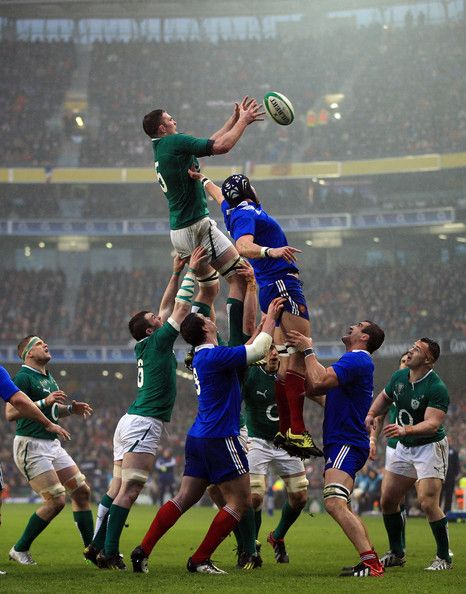
When the ball goes out of bounds, play restarts with a lineout. Players line up. The ball is thrown straight. Teammates lift players into the air.
Timing has to be perfect. Trust has to be real.
This is one of the moments where you realise rugby is not chaos at all. It’s carefully organised movement hiding inside physical effort.
Respect Is Not Optional in Rugby
This part matters more than people realise.
In rugby, players don’t surround referees. They don’t scream endlessly. Usually, only the captain speaks.
Decisions are accepted. Even bad ones.
This rule alone changes the entire atmosphere of the game. It teaches players control, maturity, and humility.
You may disagree with the referee. You still move on.
Rugby Is Played While Tired, and That Changes Everything
Rugby matches are long. Two halves of forty minutes. Very few breaks.
You don’t get timeouts every few seconds. You play while tired. You think while tired. You support teammates while tired.
That’s when real character shows.
Anyone can play well when fresh. Rugby shows who you are when you’re exhausted.
Everyone Matters, No Matter Their Size
One thing rugby does beautifully is give everyone a role.
Big players. Small players. Fast players. Strong players. Everyone is needed.
Some tackle. Some run. Some organise. Some kick.
No role looks glamorous all the time, but every role matters.
That’s a rare lesson in sports.
Rugby Doesn’t Pretend to Be Easy
Rugby doesn’t try to look smooth or flashy. It shows effort openly. You see the fatigue. You see the pain. You see the support.
But it also shows restraint.
Dangerous play is punished. Respect is enforced. Discipline is expected.
That balance is why rugby works.
Rugby Teaches Without Saying Anything
Rugby doesn’t give speeches. It doesn’t preach.
It teaches by experience.
You learn:
- to control aggression
- to trust others
- to accept decisions
- to keep going when it’s hard
Those lessons don’t stay on the field. They follow you.
Final Thought
Rugby looks rough. And it is demanding. But it is not reckless.
It’s a game built on rules that protect players, respect that keeps order, and teamwork that makes progress possible.
Once you understand that, rugby stops looking violent and starts looking honest.
Honest about effort.
Honest about limits.
Honest about needing others.
And that’s why people who truly understand rugby don’t just enjoy it — they respect it 🏉
