
Cricket is a strange sport when you really think about it.
If you try to explain it to someone who has never watched it, it sounds complicated. Bat, ball, wickets, overs, sessions, formats that last hours and others that last days. And yet, once someone grows up around cricket, it feels completely normal. Almost obvious. Like it was always meant to be there.
That’s probably the first reason cricket became a worldwide sport. It doesn’t force itself on you. It slowly becomes part of your life.
I’m not talking like a commentator or a historian here. I’m talking like someone who has seen cricket in different moods—on quiet afternoons, loud evenings, tense nights, and lazy weekends. Cricket doesn’t just happen on the field. It happens around it.
Cricket Usually Enters Life Very Early
For many people, cricket starts small.
A plastic bat.
A tennis ball.
A narrow street or an open field.
No proper rules. No umpire. Sometimes not even teams. Just people playing until someone gets tired or the ball is lost.
That’s the version of cricket most people fall in love with first. And that version doesn’t belong to one country. You see it everywhere cricket exists. That early, informal version is what makes the game feel personal.
You don’t need permission to play cricket. You just start.
It Adjusts Itself Wherever It Goes
One thing cricket does very well is adjust.
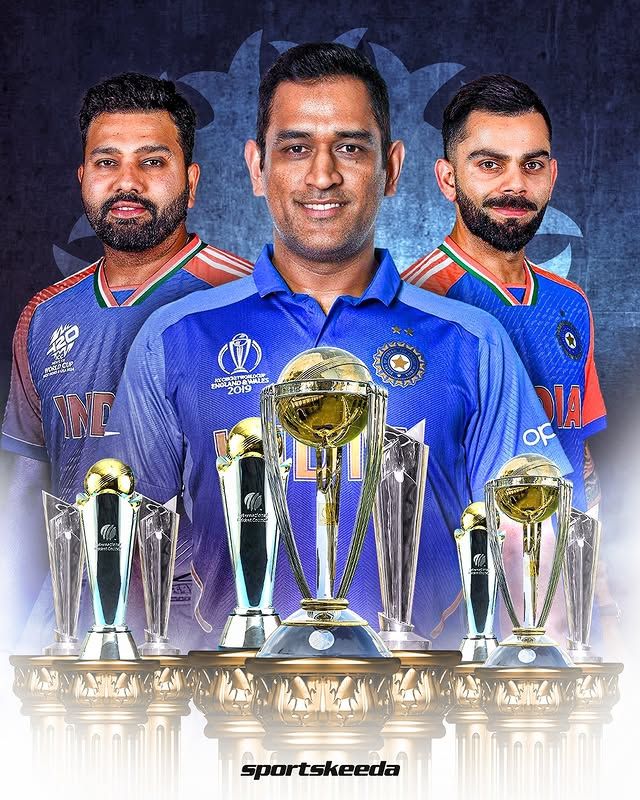
In some places, people love long matches. They enjoy sitting with the game, letting it unfold slowly. In other places, people want quick excitement, big shots, fast results. Cricket didn’t argue with either preference. It made space for both.
That flexibility matters.
Cricket didn’t say, “This is the only way to play.”
It said, “Here’s the game—make it yours.”
Different countries developed different styles. Different energy. Different fan cultures. Yet, when two teams meet, they still understand each other perfectly.
Cricket Gives Time for Emotions to Grow
Many sports move fast. You blink, and something important has already happened. Cricket is different.
Cricket gives you time.
Time to hope.
Time to worry.
Time to build belief.
Time to feel disappointment slowly instead of instantly.
That space allows emotions to settle deeper. A partnership feels meaningful because you’ve waited for it. A collapse hurts because you saw it coming but hoped it wouldn’t.
This emotional pacing is one reason people stay attached to cricket for life.
It Teaches Patience Without Saying It Out Loud
Cricket never directly tells you to be patient. It just makes impatience uncomfortable.
Batters learn quickly that rushing doesn’t help. Bowlers learn that pressure works better than speed alone. Even fans learn to wait—to trust the process.
In a world that keeps pushing for faster results, cricket quietly reminds people that some things take time. That lesson connects across cultures more than we realise.
Individual Brilliance Exists, but It’s Never Enough
Cricket creates stars. That’s true. Incredible batters, clever bowlers, sharp fielders. But even the greatest players don’t win alone.
A batter needs someone at the other end.
A bowler needs fielders to support.
A captain needs trust.
That balance between individual effort and collective responsibility makes cricket relatable everywhere. Every culture understands teamwork. Cricket just puts it on display for longer.
Stories Matter More Than Scores
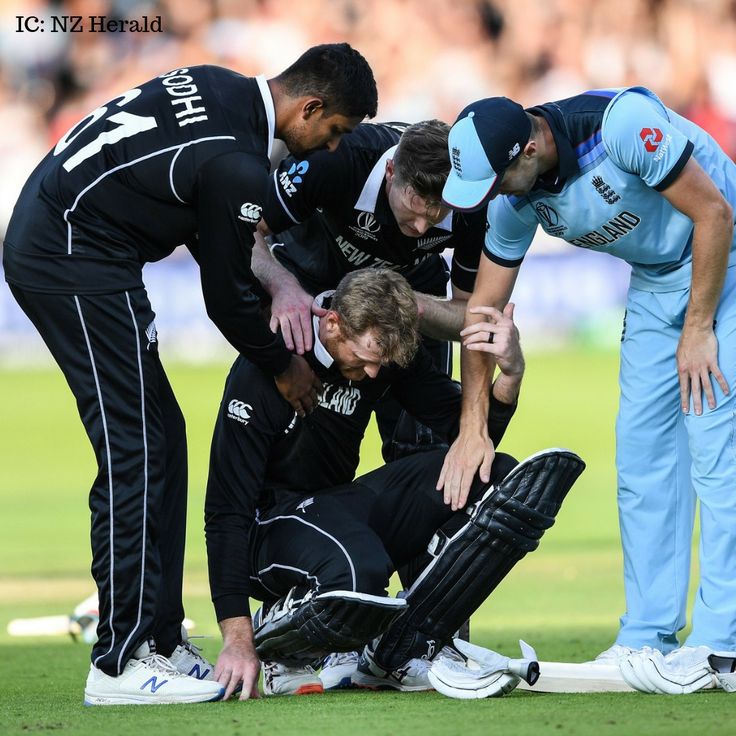
Ask people why they love cricket, and many won’t talk about statistics. They’ll talk about moments.
That one innings.
That unexpected win.
That match watched with family.
That player who inspired them when they were young.
Cricket stays alive because of stories, not numbers. And stories travel easily across borders.
Cricket Belongs to All Ages
Cricket doesn’t ask everyone to be young, fast, or powerful.
Children play it.
Adults follow it closely.
Older people still talk about matches from decades ago.
You can stay connected to cricket even when you stop playing. You can watch, listen, discuss, argue, remember.
That long relationship is rare in sports.
Rivalries Add Weight Without Breaking the Game
Cricket rivalries are intense, sometimes emotional, sometimes political, sometimes historical. But they rarely destroy the game itself.
The rivalry adds meaning, not chaos. It gives matches context. Fans carry memories from generation to generation.
Those rivalries make cricket feel important without making it unmanageable.
Media Helped, but People Carried It
Radio made cricket travel. Television made it visible. The internet made it global. But people carried it.
People talked about it. Played it. Passed it on. Taught rules informally. Explained moments emotionally.
Technology helped cricket spread, but human connection kept it alive.
Tradition and Change Coexist Comfortably
Cricket respects its past. Old grounds matter. Old matches matter. Records matter.
At the same time, cricket doesn’t freeze itself in time. It changes rules. Tries new formats. Welcomes new audiences.
That balance keeps the game familiar without making it stale.
For Many, Cricket Feels Like Home

This might be the simplest explanation.
Cricket reminds people of home—wherever that home is. It connects them to childhood, culture, language, and shared memory. When people move countries, cricket often moves with them.
That emotional portability is powerful.
Final Thoughts
Cricket didn’t become a worldwide sport because it was loud or easy or fast. It became global because it fit into people’s lives quietly and stayed there.
It adapts without losing itself.
It asks for patience without preaching.
It creates stories instead of just results.
Cricket doesn’t belong to one place anymore. It belongs to anyone who has ever waited for a ball, hoped for a boundary, or remembered a match long after it ended.
That’s why cricket is everywhere.
Not because it tried to be—but because people kept it close 🏏
