
Table tennis is one of those sports that almost everyone has tried at least once. Maybe in school, maybe at home, maybe in a club or office break room. A small table, two paddles, a light ball. It looks harmless. Easy. Almost like a game meant only for fun.
That’s what most people think at first.
I used to think the same. I thought table tennis was simple — just hit the ball back and forth. No running across big fields, no heavy contact, no long matches. How hard could it really be?
But the moment you try to play it seriously, even for a short time, that thinking disappears.
Table tennis is not easy.
And the harder you try to play it well, the more difficult it becomes.
Table Tennis Looks Simple Until the Ball Starts Moving Fast
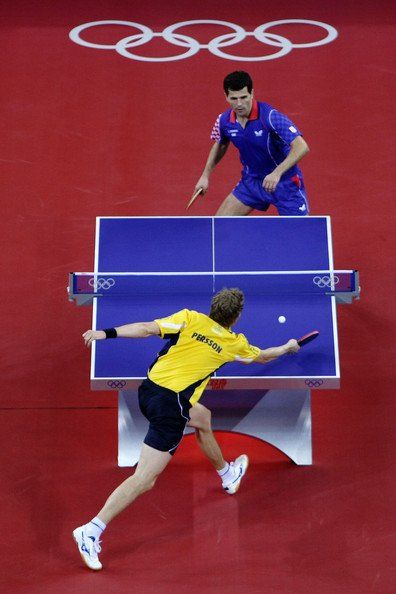
From a distance, table tennis looks calm. Players standing close to a table, moving their arms, sometimes taking a step or two. Compared to other sports, it doesn’t look exhausting.
But once the rally begins, things change quickly.
The ball moves fast. Very fast. Faster than your brain expects. You don’t get much time to think. You have to react instantly. A small delay and the point is gone.
That’s the first difficulty people face — speed.
Not running speed.
Reaction speed.
The Hardest Part Is Not Hitting the Ball
Many beginners think the challenge is hitting the ball. It’s not.
The real challenge is hitting it correctly.
You have to:
- control the angle
- judge the spin
- adjust power
- position your body
The ball is light, which makes it harder to control. A small mistake in angle or timing sends it straight into the net or off the table.
Table tennis punishes small errors. That’s what makes it difficult.
Footwork Matters More Than People Realise
People often laugh when they hear this, but footwork is one of the hardest parts of table tennis.
You can’t just stand in one place. You have to move constantly. Small steps. Quick adjustments. Staying balanced.
Good players don’t reach for the ball. They move their feet so the ball comes to the right position.
That kind of movement takes time to learn. It looks easy only because professionals make it look that way.
Spin Is Where the Game Becomes Serious
Spin is one of the biggest reasons table tennis is difficult.
The ball doesn’t just bounce. It spins. And that spin changes everything.
Topspin makes the ball dip quickly. Backspin makes it float. Sidespin makes it curve unexpectedly.
If you don’t understand spin:
- your shots go into the net
- your returns fly off the table
- you lose points without knowing why
Learning to read spin takes patience. It takes losing points. A lot of them.
Mental Pressure Builds Faster Than You Expect
Table tennis looks calm, but mentally, it’s intense.
Points are quick. Mistakes happen fast. There’s very little time to recover emotionally between points.
You miss one shot, and the next serve is already coming.
This builds pressure, especially in close matches. Staying calm while your heart is racing is not easy.
Mental control becomes just as important as physical skill.
Training Is Repetitive and Quiet
There’s something people don’t see about table tennis — training is repetitive.
You hit the same shot hundreds of times. Forehand. Backhand. Serve practice. Footwork drills.
It’s not flashy. It’s quiet. Sometimes boring.
But that repetition is where improvement happens. Skipping it shows immediately during matches.
Table tennis rewards patience in training and punishes shortcuts.
Serves Alone Can Take Years to Master
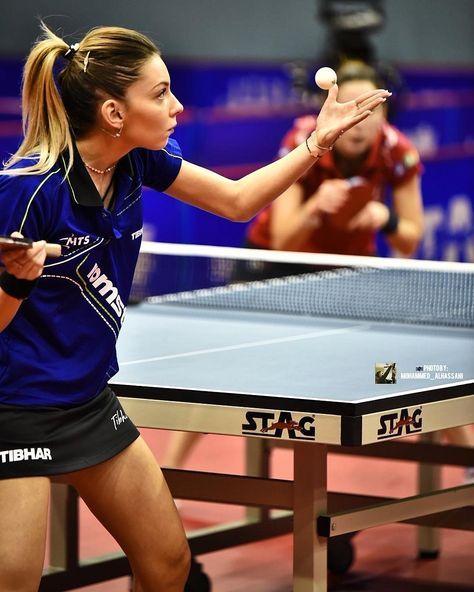
Serving in table tennis is an art. It’s not just putting the ball into play.
A good serve involves:
- spin variation
- deception
- placement
- consistency
Learning proper serves takes serious effort. And learning to return those serves is even harder.
Many points at higher levels are decided before the rally even starts.
Physical Fitness Still Matters
People underestimate the physical demands of table tennis because players don’t run far.
But matches require:
- quick reflexes
- strong legs
- flexible wrists
- good stamina
Long rallies and multiple matches drain energy quickly. Poor fitness shows up as slow reactions and bad footwork.
Table tennis may not look tiring, but it definitely is.
Losing Is Part of the Learning Process
One hard truth about table tennis is that improvement comes with losing.
You lose points because of spin you don’t understand. You lose matches because your footwork breaks down. You lose focus for a second and pay for it.
It can be frustrating. Very frustrating.
But over time, those losses teach you what to fix. The game forces honesty. You can’t blame teammates. You can’t hide mistakes.
It’s just you, the table, and the ball.
Consistency Is Harder Than Power
Anyone can hit one good shot. Consistency is much harder.
Table tennis demands that you hit good shots again and again. Under pressure. While tired. While nervous.
That level of consistency takes time to build. And it breaks easily if you stop practicing.
The game doesn’t forgive long breaks.
Why Table Tennis Deserves More Respect
Because it looks simple, table tennis is often not taken seriously. That’s unfair.
It demands:
- fast thinking
- precise movement
- emotional control
- long-term dedication
The table is small, but the challenge is big.
Table Tennis Teaches Quiet Discipline
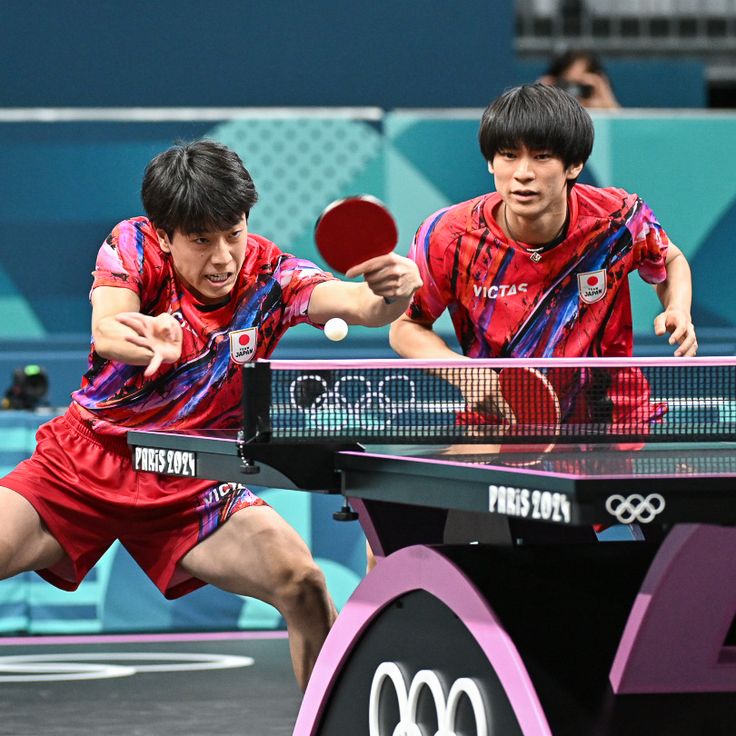
Table tennis doesn’t shout lessons at you. It teaches quietly.
It teaches patience through repetition.
It teaches focus through fast rallies.
It teaches humility through constant mistakes.
You learn to stay calm. You learn to accept errors. You learn to keep improving even when progress feels slow.
Those lessons go beyond the game.
Final Thoughts
Table tennis may look like a simple indoor game, but playing it well is anything but simple. The speed, spin, footwork, and mental pressure make it one of the most demanding sports in its own way.
The difficulty is not obvious at first. It reveals itself slowly, the more seriously you play.
If you’ve ever struggled with a fast serve, misread spin, or lost focus for just one point, you already know the truth.
Table tennis is small in size, but heavy in effort.
And that’s exactly why people who truly play it respect it 🏓
