
Volleyball is a sport that many people try without thinking much about it. Sometimes it happens in school, sometimes in college, and sometimes just because friends are playing and you join them. At first, it feels light and simple. You hit the ball, you laugh, you miss a few shots. Nothing serious.
But if you play volleyball regularly, even for a few weeks, you start noticing small changes. Your legs feel a bit stronger. Your arms don’t get tired as quickly. Your body feels more active during the day. These changes don’t happen suddenly, but they do happen.
I’m saying this like an elder brother, not like a trainer. Volleyball works on your body quietly. You don’t feel forced, and that’s why many people stick with it.
Volleyball Keeps Your Body Busy Without You Realising
One thing about volleyball is that your body is almost never fully relaxed during the game. Even when the ball is not coming to you, you are watching, waiting, and slightly moving.
During a normal game:
- You bend your knees again and again
- You move sideways without thinking
- You jump, sometimes small jumps, sometimes bigger ones
- You use your hands, shoulders, and back naturally
After playing, some days your legs hurt, some days your shoulders feel tight. That’s normal. It just means different muscles worked that day.
This is one reason volleyball is good for overall fitness. It doesn’t depend on one muscle group only.
How Volleyball Slowly Builds Strength
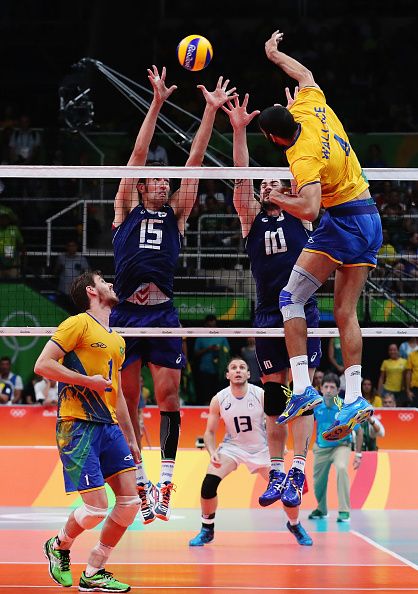
Volleyball doesn’t make you feel “strong” overnight. In fact, at the beginning, you may feel weak and tired. But strength builds quietly.
Jumping helps your legs.
Hitting the ball works your arms and shoulders.
Staying balanced helps your core.
After some time, you notice simple things. Jumping feels easier. Your hands feel more controlled. Your posture improves a little. These are small signs, but they matter.
This kind of strength is useful in daily life, not just during sports.
Stamina Improves in a Natural Way
Volleyball has a rhythm. You move fast, then you stop. You jump, then you wait. This pattern helps your body learn recovery.
At first, breathing feels heavy. You may want to sit down often. That’s okay. Everyone goes through that phase.
With regular play:
- You recover faster
- You don’t feel tired so quickly
- You can play longer without stopping
This stamina also helps outside the court. Walking fast, climbing stairs, or standing for long hours feels easier.
Volleyball Is Quietly Good for the Heart
You don’t think about heart health while playing volleyball, but your heart is working. Jumping and moving increase your heart rate again and again.
Over time:
- Blood flow improves
- Breathing becomes smoother
- Recovery after effort becomes quicker
These changes happen slowly, so people often don’t notice them immediately.
Balance and Coordination Improve Without Effort
Volleyball requires timing. You watch the ball, judge its speed, move your body, and hit it. All this happens in seconds.
This improves:
- Hand–eye coordination
- Body balance
- Reaction speed
After some weeks, your movements feel more confident. Even outside volleyball, you feel more stable while walking or moving quickly.
Flexibility Comes With Regular Play
Volleyball involves reaching, stretching, bending, and sometimes diving. These movements improve flexibility.
Flexible muscles:
- Move more freely
- Get injured less often
- Recover faster
You don’t need special stretching routines if you play regularly and stretch lightly after the game.
Volleyball Helps With Weight Control
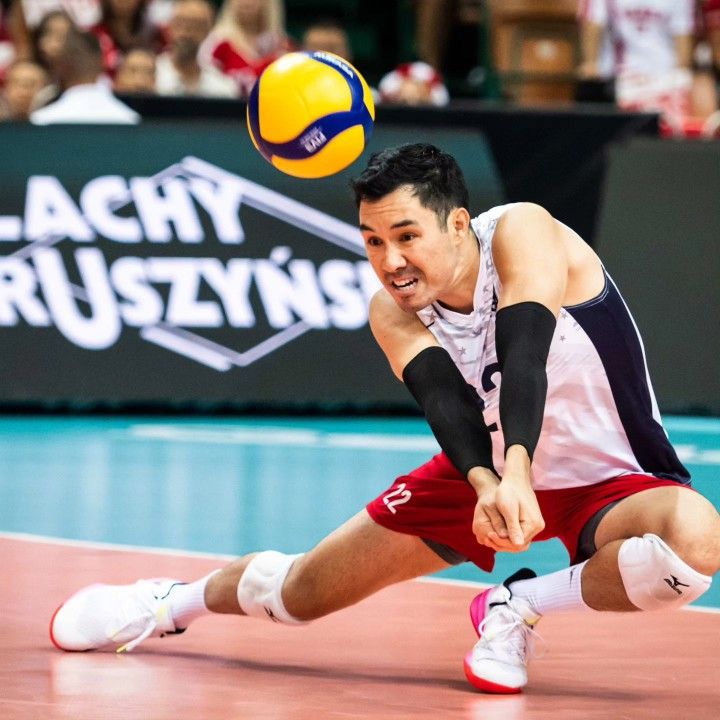
Volleyball keeps you moving, even if it doesn’t feel intense all the time. Jumping, running, and reacting burn calories naturally.
This helps:
- Maintain body weight
- Improve metabolism
- Reduce unhealthy fat
Because it feels like a game, people don’t give up easily. That consistency is important.
Mental Relaxation Is a Big Benefit
Volleyball is also good for the mind. While playing, you stop thinking about stress, work, or studies. Your focus stays on the ball and your teammates.
After playing:
- Your mood feels lighter
- Stress reduces
- Sleep often improves
I’ve seen many people feel mentally better just by playing regularly.
Volleyball Teaches Teamwork in a Simple Way
Volleyball is not a solo sport. You depend on others, and they depend on you.
This teaches:
- Communication
- Trust
- Patience
These things slowly build confidence, even outside sports.
Basic Safety Is Still Important
Volleyball is generally safe, but care is still needed.
Some simple safety habits:
- Warm up before playing
- Stretch after the game
- Avoid jumping too much when tired
- Wear proper shoes on hard ground
- Rest if something feels wrong
Ignoring pain is never a good idea.
Simple Advice for Beginners
If you are new to volleyball:
- Start slowly
- Learn basic passing first
- Don’t overjump
- Practice regularly, but not too long
Everyone learns at their own pace.
Long-Term Body Benefits of Volleyball
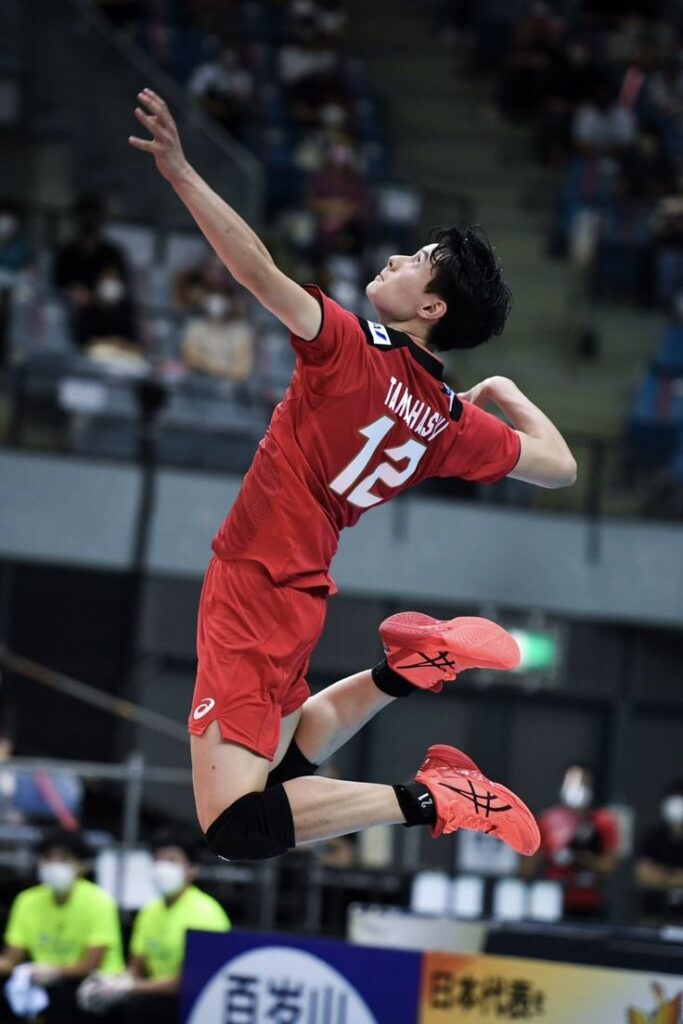
With time and regular play, volleyball helps:
- Improve muscle tone
- Increase stamina
- Strengthen bones
- Improve posture
- Support mental health
Even casual players feel these benefits after some months.
Final Thoughts
Volleyball is not only for professionals or tall players. It’s for anyone who wants to stay active without pressure. It works on the body quietly and improves health step by step.
If you want a sport that feels fun but still keeps you fit, volleyball is a good option. Start small, stay regular, and let your body adjust.
Health doesn’t change in one day, it changes slowly 🏐
