
I still remember the first time I really sat down to play chess properly. Not just moving pieces randomly, but actually thinking. It wasn’t dramatic. No big moment. Just a board in front of me and a feeling that this game was asking me to slow down. That’s probably the best way to describe chess — it asks you to slow down.
If I talk to you like an elder brother, I’ll say this honestly: chess doesn’t magically make you smarter overnight. But if you grow up with chess, or even pick it up early in life, it shapes how your mind works in ways you only realise later.
Chess Teaches You to Sit With Your Thoughts
When you first start playing chess, silence feels uncomfortable. You want to move quickly. You want the game to end. But chess doesn’t reward that.
I remember losing games simply because I moved too fast. After a few losses, something changed. I started sitting longer with the board. Looking. Thinking. Waiting.
That habit stays with you.
A growing mind learns that it’s okay to pause. It’s okay to think before acting. In real life, this helps more than people realise. You don’t react immediately. You give yourself a moment. That moment can change outcomes.
Focus Grows Without Anyone Forcing It
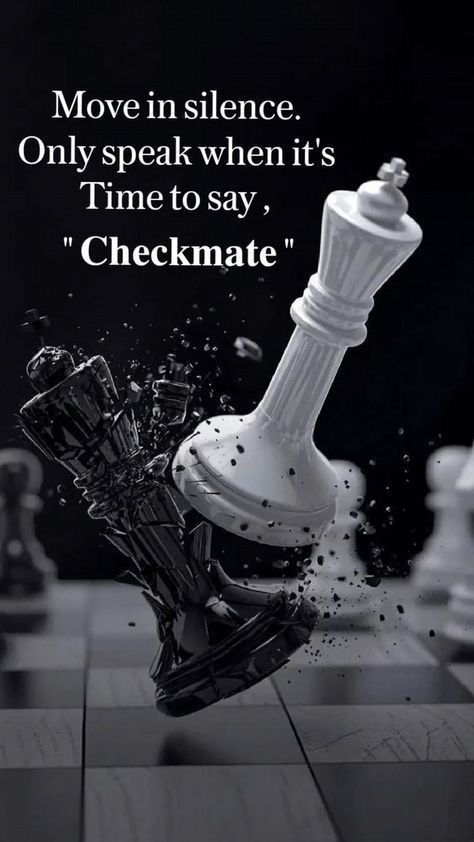
No one tells you to focus in chess. The game itself demands it.
One second of distraction and your queen is gone. You learn this the hard way. Slowly, your attention improves — not because someone scolded you, but because you want to play better.
For kids and students, this is powerful. Chess trains focus without pressure. You’re not being tested. You’re just playing. And yet, the mind learns to stay with one thing for longer.
I’ve seen people who struggled to sit still slowly become calmer just by playing chess regularly.
Chess Makes You Comfortable With Problems
Chess is full of problems. Bad positions. Mistakes. Lost pieces.
At first, it feels frustrating. You want to quit. But over time, something interesting happens. You stop panicking. You start asking simple questions:
“What can I do from here?”
That mindset carries into life.
Exams, mistakes, failures — they stop feeling like the end of the world. A growing mind learns that problems are part of the game, not a punishment.
Memory Improves Without Feeling Like Studying
I never sat down and tried to memorise chess. But after many games, I noticed I remembered patterns. Positions. Common traps.
Chess improves memory quietly. You don’t feel like you’re learning, but your brain is storing information all the time.
This helps students more than they realise. Remembering formulas, concepts, and ideas becomes easier because the brain is already trained to recognise and recall patterns.
Chess Trains Clear Thinking
One thing chess teaches very clearly is this: random decisions don’t work for long.
You learn to ask yourself:
- Why am I making this move?
- What happens next?
- Is there a safer option?
This kind of thinking slowly becomes natural. A growing mind learns to compare choices instead of jumping at the first idea. That skill is useful everywhere — from studies to friendships to life decisions.
Patience Becomes a Strength
Chess is not kind to impatient players. I learned this the hard way.
Every rushed move usually leads to regret. Over time, you stop rushing. You wait. You trust the process.
For young minds especially, this patience is important. Life doesn’t give instant results. Chess teaches that slow progress is still progress.
Confidence Comes From Inside, Not Praise
In chess, no one tells you what to do. You make your own decisions.
When you win, you know it was because of your thinking. When you lose, you also know why. This builds a quiet confidence. Not loud, not arrogant — just steady.
A growing mind learns responsibility. You stop blaming others. You start learning.
Chess Helps You Handle Emotions Better
Chess looks calm, but emotions are always there. Losing hurts. Winning feels good. Close games create tension.
Over time, chess teaches emotional control. You learn to lose without breaking down and win without showing off.
This emotional balance helps a lot in real life, especially during stressful situations.
Studies Feel Less Overwhelming
Chess doesn’t replace studying, but it supports it strongly.
When your mind is trained to focus, think clearly, and stay patient, learning becomes easier. Subjects like maths and science feel less scary. Even reading and writing improve because your thoughts are more organised.
Many people don’t connect chess with academics, but the connection is real.
Creativity Exists in Chess Too
People often think chess is only logic. But chess is also creative.
Sometimes you try a new idea. Sometimes it works, sometimes it doesn’t. That freedom to experiment teaches a growing mind that creativity and logic can work together.
That lesson is valuable far beyond the board.
Chess Teaches Respect
One small thing I always appreciated about chess is respect. You shake hands. You accept results. You follow rules.
These habits shape character. They teach humility, discipline, and fairness — qualities that matter in life.
Anyone Can Start, Anytime
One of the best things about chess is that it doesn’t care about age. You can start young or start late. The game meets you where you are.
As you grow, your understanding grows. Chess grows with you. That’s why people play it for life.
Chess Today Is Everywhere
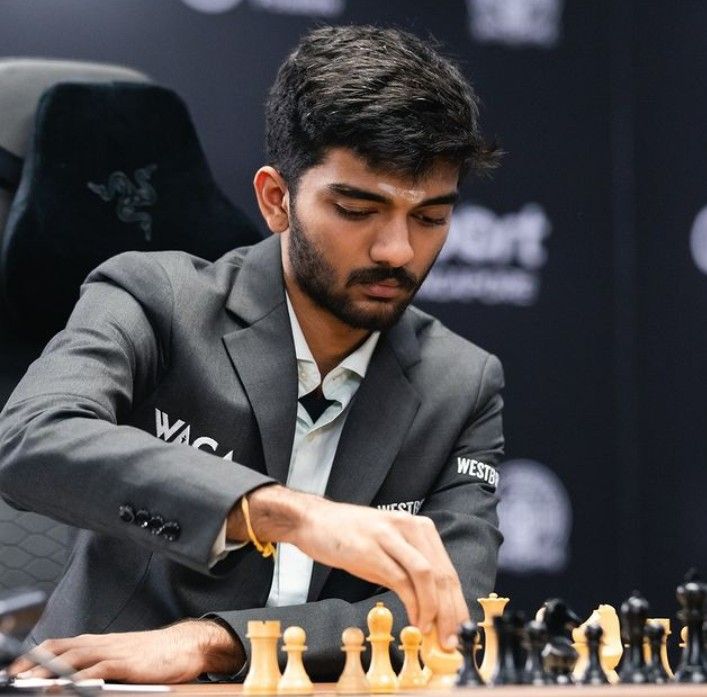
Today, chess is more accessible than ever. Apps, videos, online games. You can learn quietly, at your own pace.
This makes chess perfect for modern life.
Final Thoughts
Chess doesn’t promise quick results. It doesn’t shout. It doesn’t rush you.
But if you give it time, it shapes your mind quietly. It teaches patience, focus, clear thinking, and emotional balance — all things a growing mind needs.
If you want a habit that helps you grow without pressure, chess is worth your time.
Not every lesson is loud. Some of the best ones are quiet ♟️
